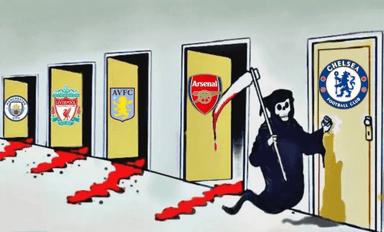

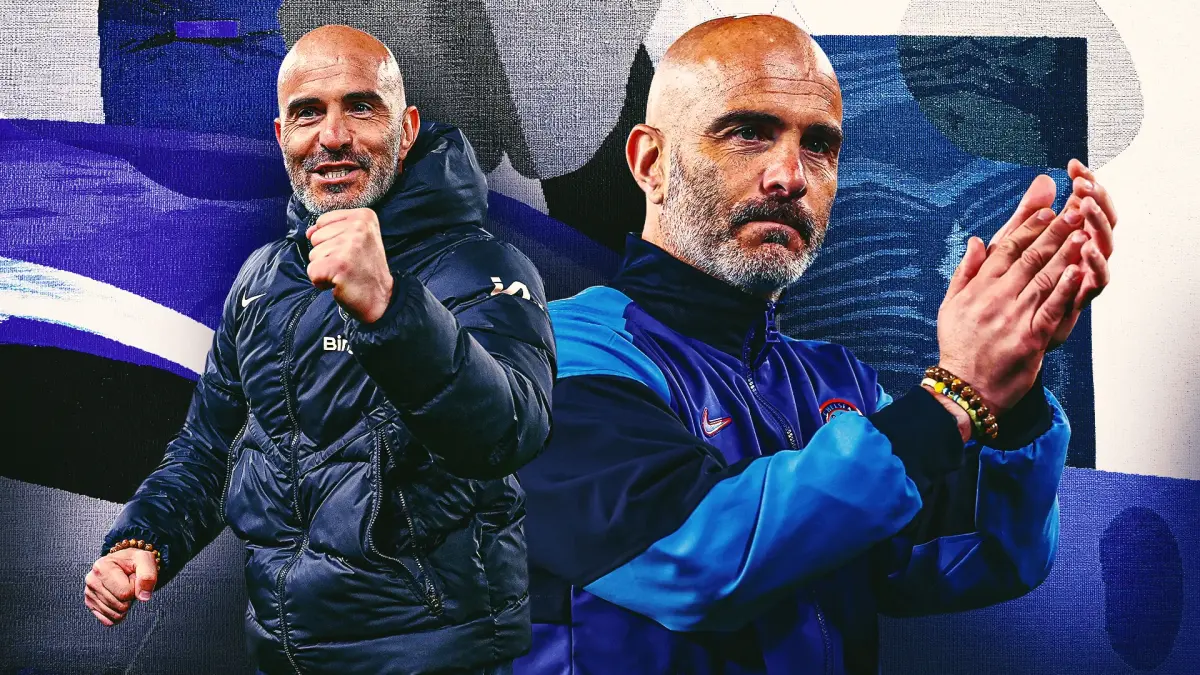
Even by Chelsea’s standards, this is extraordinary. In early December, Marco Maresca was named Premier League Manager of the Month for November. Just three weeks later, he was gone—his departure from Stamford Bridge so abrupt it sent shockwaves through football. This isn’t just a managerial change; it’s a chaotic twist that raises urgent questions about Chelsea’s direction under the Clearlake Capital ownership. Below is a detailed breakdown of the controversy, the context, and what comes next for the Blues.
🚨 The Shocking U-Turn: From Champions League Glory to the Sack
Maresca’s fall from grace is nothing short of staggering. As recently as late November, he led Chelsea to one of his most impressive victories: a 3-0 Champions League triumph over Barcelona. Five days later, the Blues held Arsenal to a 1-1 draw despite playing with 10 men for nearly an hour after Moises Caicedo’s first-half red card—hinting at genuine title credentials. At that point, Chelsea sat third in the Premier League, just six points behind London rivals Arsenal.
Fast forward to early January, and the landscape has shifted dramatically. The gap to the leaders has widened to nine points, and Maresca is out of a job. The catalyst? A disastrous December: nine games across four competitions, yielding just two wins. Confidence in the squad has plummeted, and the club’s initial plan—assessing Maresca at the end of his second season—was scrapped in a sudden about-face.
The first signs of trouble emerged on December 13, after a 2-0 win over Everton. Maresca dropped a bombshell, revealing he’d just endured the "worst 48 hours of his Chelsea tenure." Rumors swirled, fueled by SofaScore’s report that Manchester City were eyeing him as a potential replacement for Pep Guardiola (should Guardiola depart at the end of the season). Maresca insisted he’d stay on for the 2026-27 campaign, but his denials did little to quiet the speculation—and his position only grew more precarious.
🔄 The Clearlake Carousel: Chelsea’s Obsession with Managerial Churn
Maresca’s exit is not an isolated incident; it’s the latest chapter in Chelsea’s chaotic managerial merry-go-round since Clearlake Capital acquired the club in late May 2022. In less than four years, the Blues have burned through five managers:
- Thomas Tuchel: 4 months in charge
- Graham Potter: 7 months
- Frank Lampard: 11 games (interim)
- Mauricio Pochettino: 1 season
- Marco Maresca: 18+ months (the longest-serving of the lot, with 92 games)
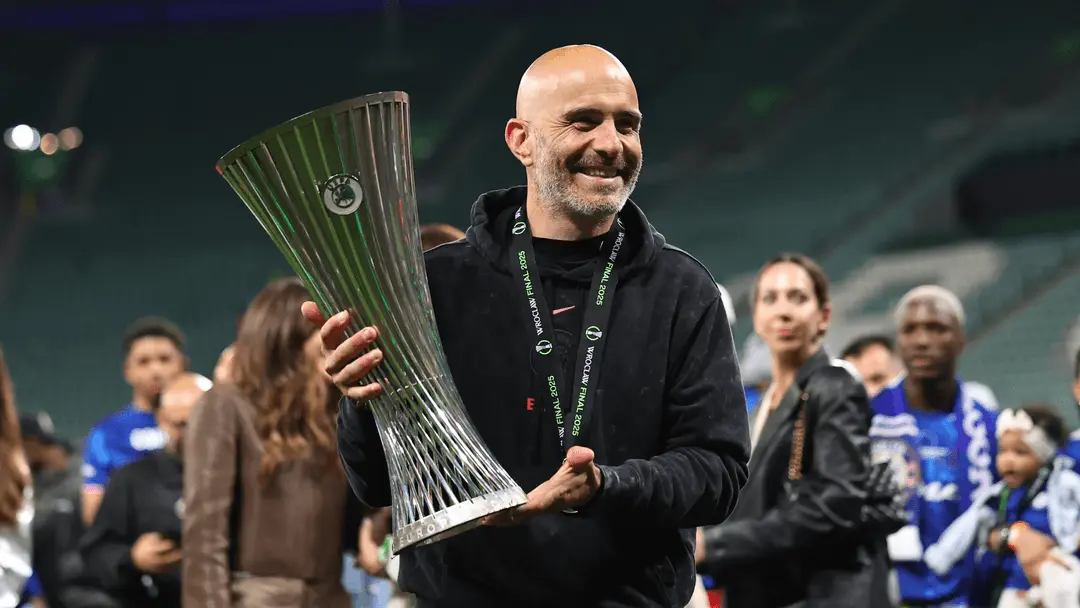
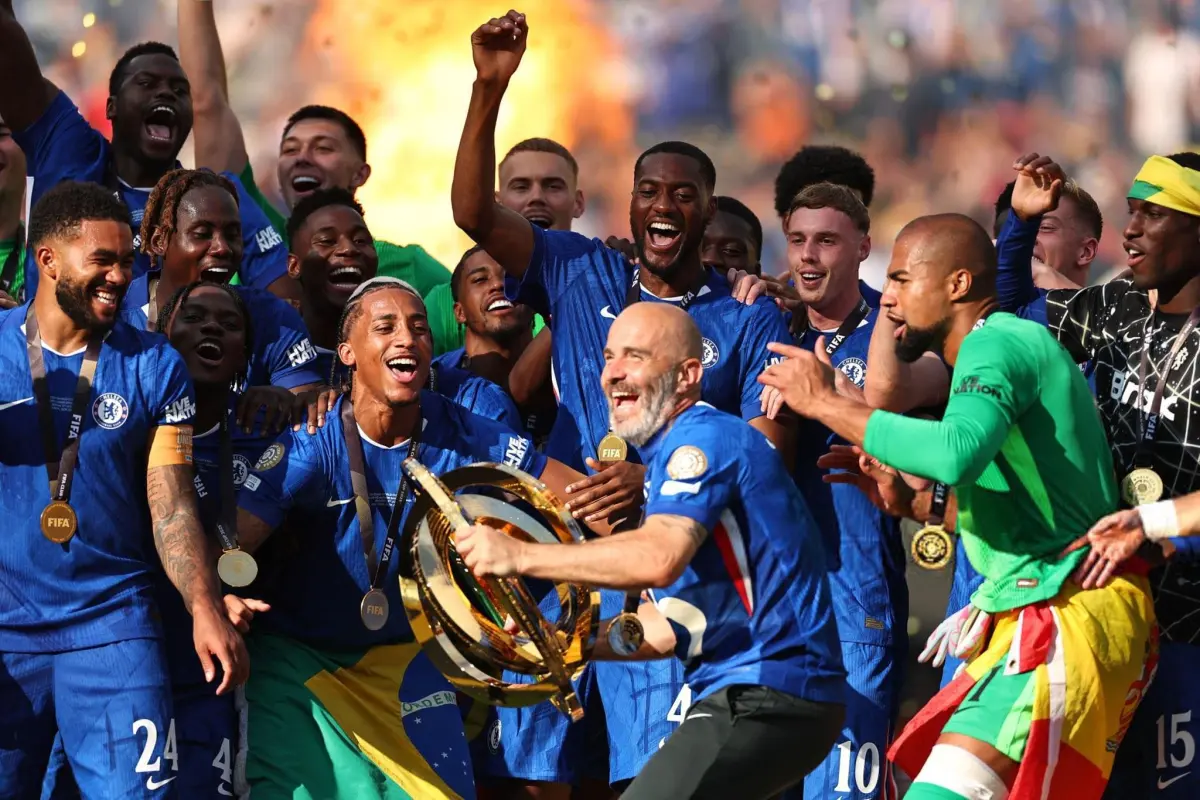
Ironically, Maresca is Clearlake’s most successful hire to date. He delivered the 2025 UEFA Conference League and FIFA Club World Cup, and guided Chelsea back to the Champions League after a two-year absence—no small feat given the squad upheaval. By Abramovich-era standards, he’d earned more time. But in the current regime, success doesn’t guarantee job security.
The frequency of changes raises a critical question: Is Chelsea’s problem the managers, or the club’s broken structure? Clearlake’s approach—hiring and firing with ruthless efficiency—has created a culture of instability. Maresca’s departure only amplifies fears that the club is prioritizing short-term fixes over long-term stability.
⚖️ Maresca’s Legacy: Hero or Villain? The Divided Verdict
Maresca’s tenure is a study in contradictions. He’s the manager who ended Chelsea’s trophy drought and restored their European pedigree, yet he leaves with fans split—if not outright hostile. The final weeks of his reign laid bare this division.
Two weeks ago, fans chanted his name during a League Cup quarter-final win over Cardiff City. Two weeks later, they booed him relentlessly during a 2-2 draw with Bournemouth, shouting "You don’t know what you’re doing" when he substituted Cole Palmer. That game would be his last in charge.
His supporters argue he inherited a disjointed squad and navigated unprecedented fixture congestion (December’s nine games were a brutal ask). His critics point to the collapse in form, the lack of consistent style, and the growing rift between manager and fans. The truth lies somewhere in between: Maresca achieved more than his predecessors, but his inability to stem the December slide—coupled with rumors of his discontent—made his position untenable.
Adding fuel to the fire: Maresca’s contract had three-and-a-half years remaining, plus a 12-month extension option. His exit will cost Chelsea millions in compensation—another financial hit for a club already under scrutiny for their spending.
❓ The Successor Dilemma: Can Chelsea Survive Another Reset?
Chelsea’s biggest challenge now is finding a replacement—and fast. The club faces a relentless schedule: two games per week until February 10, leaving little time for a new manager to implement tactics or bond with the squad.
The plan, according to insiders, is to hire someone who can adapt to Chelsea’s existing system. The playing style and upper management structure will remain unchanged—a decision designed to minimize disruption. But is that realistic? Every manager has their own philosophy, and forcing a new hire to fit a pre-existing mold rarely works.
Optimists draw parallels to Tuchel’s 2021 arrival. He replaced Lampard mid-season and led Chelsea to Champions League glory. But there’s a crucial difference: Tuchel inherited a squad packed with seasoned winners (Cesar Azpilicueta, N’Golo Kante, Antonio Rudiger, Jorginho, Thiago Silva) and had a track record of success at the highest level (having reached the Champions League final with Paris Saint-Germain the previous season). Chelsea’s current squad lacks that same experience, and finding a manager of Tuchel’s caliber on short notice will be no easy task.
Another wildcard: Chelsea’s transfer strategy. Unlike previous regimes, the sporting director’s team handles recruitment—not the manager. That means the new hire won’t be stuck with a squad of players they didn’t choose, but it also limits their ability to reshape the team quickly. With the January transfer window open, Chelsea could use reinforcements—but will a new manager have input, or will the club stick to its pre-planned targets?
🏆 What’s Next for Chelsea? Title Hopes Alive or Season Doomed?
Despite the chaos, Chelsea’s season is far from over. The club’s initial goals—top-four finish, strong runs in domestic and European cups—are still within reach. Here’s the reality of their remaining fixtures:
- Premier League: 19 games left, currently fifth (four points behind fourth-placed Liverpool). A strong run could see them climb back into the Champions League spots.
- FA Cup: Third-round trip to Charlton next week—winnable, with a clear path to the later stages.
- League Cup: Semi-final first leg against Arsenal looming. Chelsea have a history of raising their game against top opposition (evidenced by the 1-1 draw with Arsenal and Club World Cup final win over PSG).
- Champions League: Must win their final two group games to qualify directly for the knockout stages. If not, the play-offs offer a second chance to reach the last 16.
The debate now is whether Maresca’s exit will revitalize the squad or derail their season. His departure removes a manager who was clearly struggling—but it also injects uncertainty at a critical juncture. For Chelsea, the next few weeks will define their campaign: get the managerial appointment right, and they could replicate Tuchel’s miracle. Get it wrong, and they face another season of disappointment.
🎯 The Controversial Verdict: Was Sacking Maresca the Right Call?
Here’s the crux of the debate: Given the slump in form, Maresca’s growing discontent, and the packed schedule ahead—was this the right time to pull the trigger?
Supporters of the decision argue it’s a necessary reset. December’s results were unacceptable, and Maresca’s public hints of unhappiness suggested he’d lost his spark. With the January window open, a new manager can bring fresh ideas and potentially new signings to turn things around.
Critics counter that Chelsea are repeating the same mistakes. Firing managers at the first sign of trouble creates a toxic environment where no one gets time to build something sustainable. Maresca was their most successful post-Abramovich manager—why not give him until the end of the season to fix things?
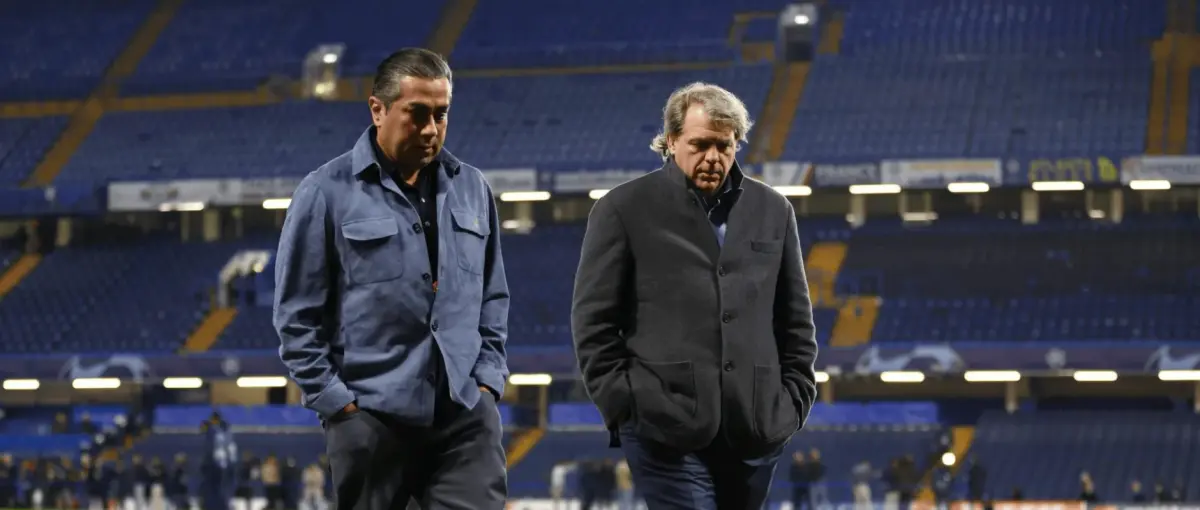
One thing is clear: Chelsea’s Clearlake era is defined by impatience. Whether that impatience leads to silverware or further chaos remains to be seen. For now, all eyes are on who the Blues appoint next—and whether they can survive the latest chapter in the club’s turbulent recent history.
Will Maresca’s exit be remembered as the moment Chelsea saved their season, or just another misstep in a long line of managerial mistakes? The answer will unfold on the pitch in the weeks ahead.