
Lead-in
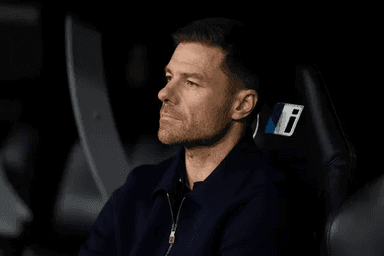
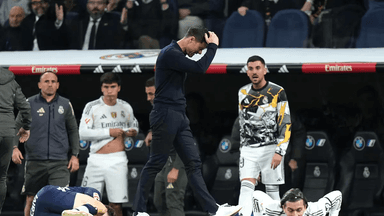
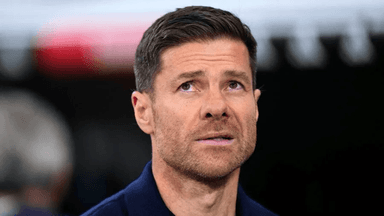
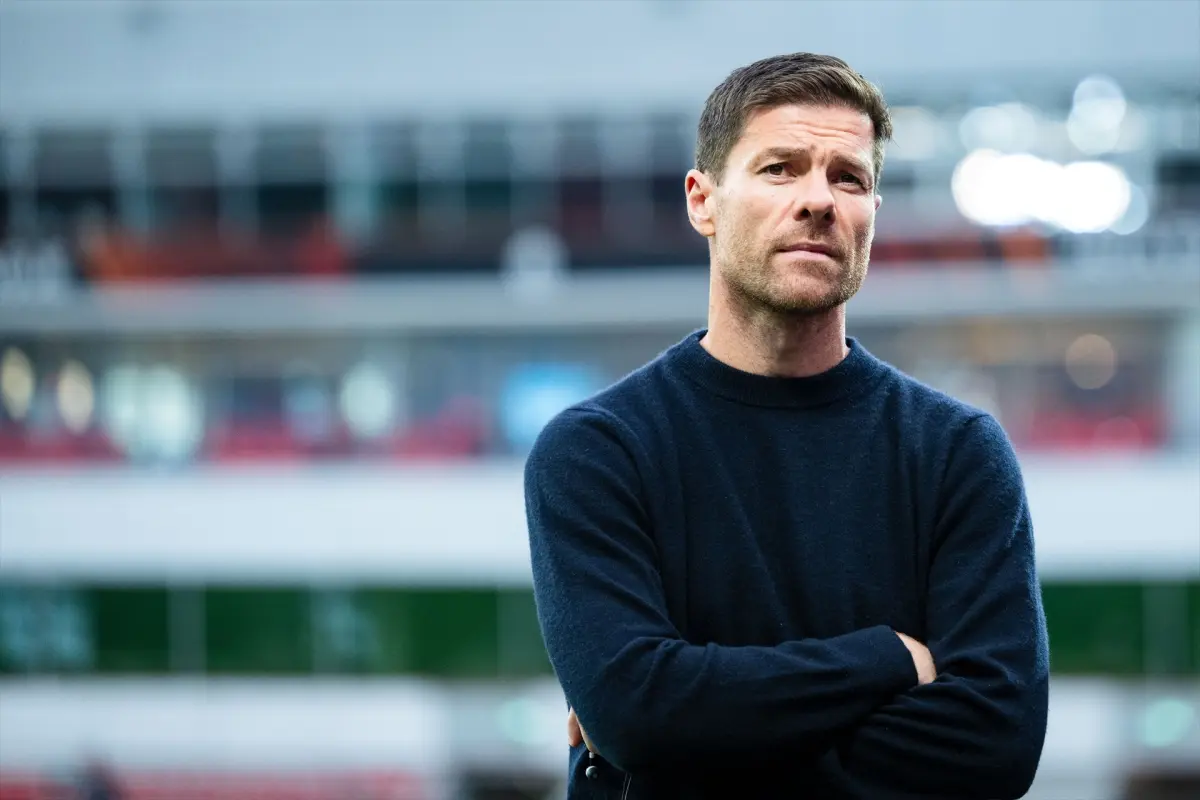
When Real Madrid crashed to a 2-3 defeat against Barcelona in the Saudi Arabia-hosted Supercopa de España, the awkward expression etched on Florentino Pérez’s face said it all. What began as a promising partnership between the club and manager Xabi Alonso back in June last year, forged amid the glitz of the FIFA Club World Cup, came to an abrupt and acrimonious end in Jeddah. Many pundits have speculated that Alonso could have clung to his job if he had avoided the humiliating loss to their arch-rivals, but Real Madrid’s ruthless win-at-all-costs culture brooks no such thing as a “glorious defeat”. Poor results are the only verdict that matters at the Santiago Bernabéu, and Alonso’s departure was written in the stars long before that fateful Supercopa clash. To shed light on this seismic managerial shake-up, Camel Live delves into five compelling reasons—spanning both on-pitch woes and off-field tensions—that made Alonso’s exit from Real Madrid an unavoidable outcome.
Xabi Alonso’s Five Cardinal Sins
1. Florentino’s Supercopa Disappointment: The Final Nail in the Coffin
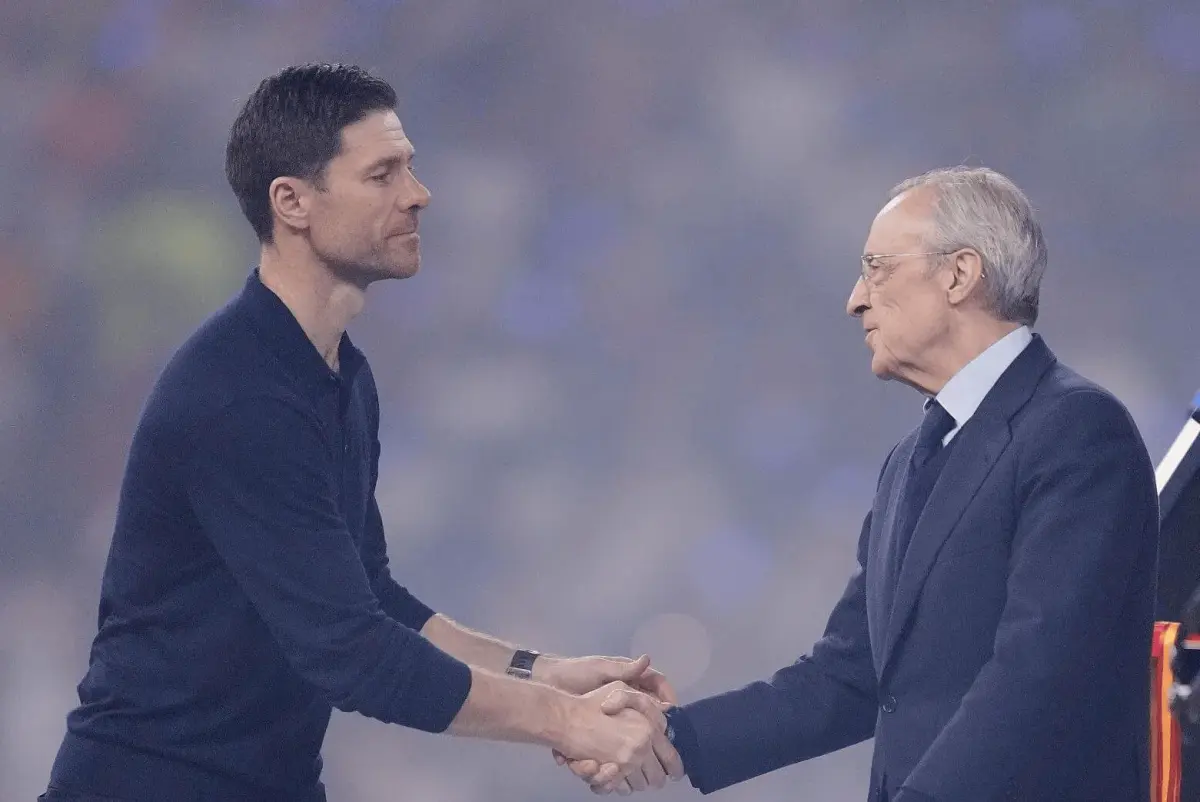
The cracks in the relationship between Xabi Alonso and Real Madrid’s hierarchy had been widening for months, but it was the underwhelming showing in the Supercopa de España that drove the final wedge between them. Their collaboration kicked off on a hopeful note last June, tied to the club’s participation in the FIFA Club World Cup, with high expectations that the former Real Madrid midfielder could infuse the team with his tactical nous and winning mentality. However, as the season unfolded, that initial optimism gradually faded, replaced by growing frustration on both sides. The Supercopa loss to Barcelona was the breaking point; it not only dealt a blow to the club’s trophy ambitions but also exposed the underlying issues plaguing Alonso’s tenure. For Florentino Pérez, a president who demands nothing short of excellence and silverware, the defeat was a public embarrassment that could not be overlooked. This single result crystallized the hierarchy’s decision that a change at the helm was imperative.
2. The 2-5 Mauling by Atlético Madrid: The Spark That Ignited the Crisis
While the Supercopa loss was the final straw, the seeds of Alonso’s downfall were sown much earlier, with the catastrophic 2-5 defeat against Atlético Madrid at the Wanda Metropolitano Stadium serving as the critical catalyst. In the cutthroat world of Real Madrid football, results are the ultimate barometer of a manager’s worth, and this lopsided loss was a red line that could not be crossed. Prior to this debacle, the team’s performance had not been entirely disastrous, and there were glimpses of progress under Alonso’s stewardship. The club’s long-term tactical blueprint seemed to be taking shape, particularly with the implementation of an aggressive high-pressing system that was supposed to become the team’s trademark style. But everything unraveled on that fateful day against Atlético. The humiliating loss marked Real Madrid’s first defeat of the season and triggered a sharp downward spiral in form and morale. From that point on, the pressure on Alonso intensified exponentially, and the writing was on the wall for his tenure.
3. Lackluster High-Pressing: A Tactical Identity That Failed to Materialize
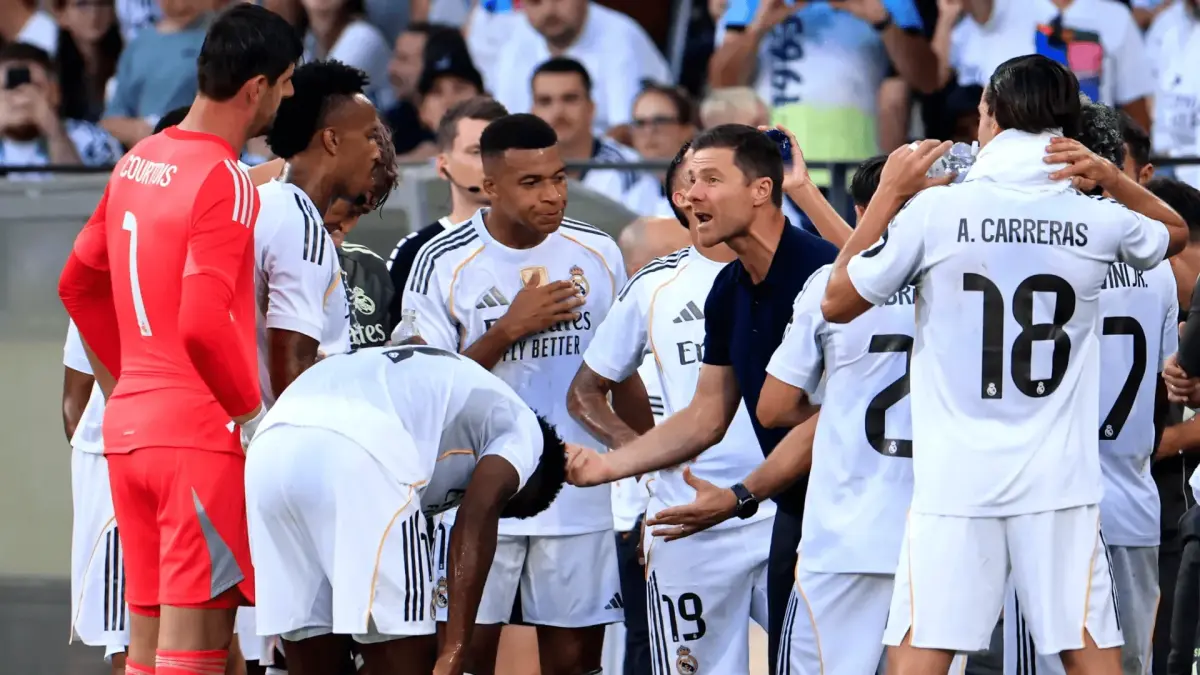
One of Alonso’s key promises upon taking charge was to build a Real Madrid side brimming with passion, energy, and a dominant high-pressing game that would overwhelm opponents. Unfortunately, this vision never came to fruition. Instead, the team frequently looked lethargic and devoid of the dynamism required to execute the high-pressing strategy effectively, with worrying signs of poor physical conditioning plaguing their performances. Alarmingly, the side found itself grappling with the very same issues that had plagued Carlo Ancelotti’s final months in charge—a lack of tactical flexibility and an inability to adapt when the high-pressing approach was neutralized by opponents. While fans may fondly recall the memorable win over Barcelona at the Santiago Bernabéu, such standout performances were few and far between. For the majority of the season, Alonso’s team failed to deliver the consistent, high-octane football that had been promised. As a result, Alonso increasingly drew comparisons to Ancelotti’s underwhelming final stretch, failing to carve out a distinct tactical identity that could justify his position.
4. Midfield Dysfunction: A Lack of Creativity and Transfer Missteps
To be fair, not all of the blame for Real Madrid’s struggles can be pinned on Alonso. A major bone of contention for the manager was the club’s failure to address a critical gap in the squad: the lack of a world-class playmaker. Alonso had made it clear from the start of the season that he needed a creative linchpin to orchestrate the team’s attacking moves and control the tempo of games, but the club’s hierarchy ignored this plea. Instead, Real Madrid splashed €60 million on Franco Mastantuono—a young talent with potential, but not the seasoned playmaker Alonso craved— a fee that was roughly equivalent to what Arsenal paid for Martín Zubimendi. Compounding the problem was the departure of Luka Modrić, a decision that went against both Alonso’s wishes and the player’s own desire to stay at the Bernabéu. Modrić’s exit stripped the midfield of its guile, vision, and ability to unlock stubborn defenses. While players like Aurélien Tchouameni, Eduardo Camavinga, and Federico Valverde boast plenty of athleticism and work rate, they lack the creative flair and tactical intelligence to dictate play from the middle of the park. Jude Bellingham is the only player in the squad with the ability to pull the strings, but his versatility has worked against him—he has been deployed across multiple positions, preventing him from settling into a role where he can exert consistent influence on games. The midfield’s creative deficit was laid bare in the Supercopa final and the earlier defeat to Atlético Madrid; against Atlético, goalkeeper Thibaut Courtois was forced to launch nearly 40 long balls in a desperate attempt to bypass Atlético’s press and find second balls for Gonzalo García and Bellingham. In the Supercopa final, the team relied heavily on the same direct approach, reinforcing the perception that this Real Madrid side lacked the tactical sophistication and courage to play through opponents.
5. Dressing Room Rifts: Clashes With Players and a Fractured Squad
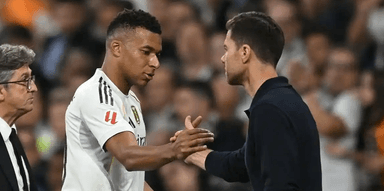
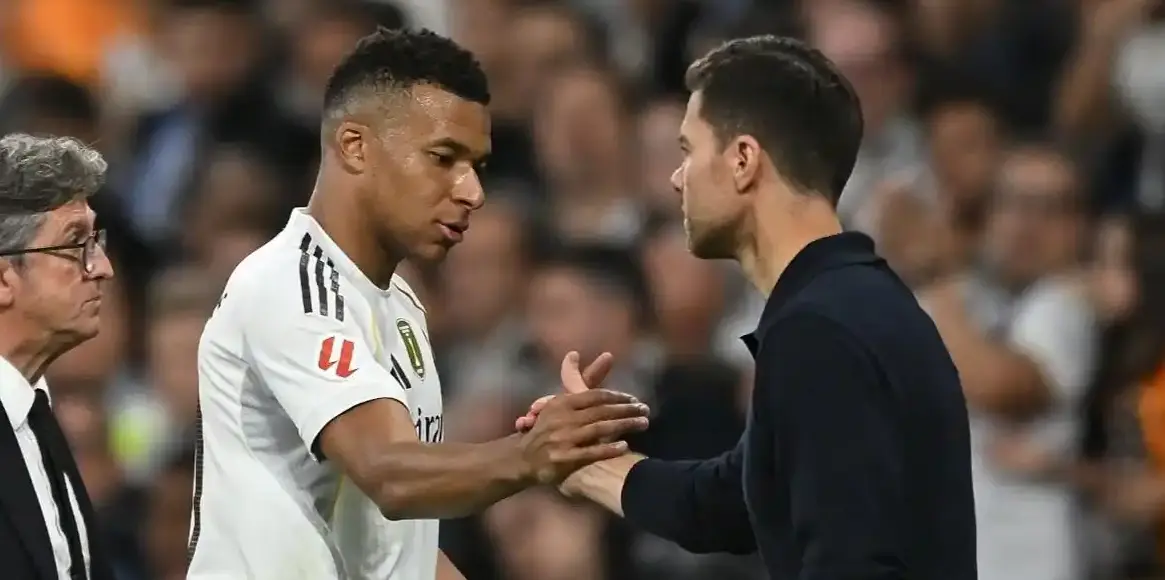
At Real Madrid, success is not just about what you achieve on the pitch—it is equally about how you manage the egos and dynamics within the dressing room, a lesson Alonso failed to learn. Criticism of his management style began to surface almost from the moment he took over. Alonso is a meticulous, hands-on coach who places immense emphasis on tactical details, video analysis, and rigid game plans. This approach clashed sharply with the more laid-back, player-centric style of Carlo Ancelotti, a manager who was beloved by the squad for his ability to foster a relaxed and cohesive team environment. Tensions quickly flared, with Vinícius Júnior emerging as one of the most vocal critics. The Brazilian winger was left fuming when Alonso benched him for several key games early in the season, and his frustration boiled over during the El Clásico at the Bernabéu. After being substituted, Vinícius made his displeasure public, much to the chagrin of Alonso and the watching millions—both the 80,000 fans in attendance and the global TV audience. What made matters worse was the club’s decision to remain silent on the incident, opting not to discipline the star player. While the situation was swept under the rug publicly, the rift between Vinícius and the Basque manager deepened irreparably. Vinícius was not alone in his discontent, either. Fractures began to appear throughout the dressing room, with several senior players growing disillusioned with Alonso’s tactics and communication style. Adding fuel to the fire was criticism that Alonso had failed to nurture young talents like Arda Güler and Franco Mastantuono, squandering the opportunity to integrate the next generation of Real Madrid stars into the first team. With the dressing room divided and morale at rock bottom, the club’s hierarchy had no choice but to pull the plug on Alonso’s tenure. Now, the reins have been handed to Álvaro Arbeloa, Alonso’s former teammate— a move that has left many fans wondering if he has what it takes to turn the tide and restore Real Madrid to its winning ways.
Conclusion
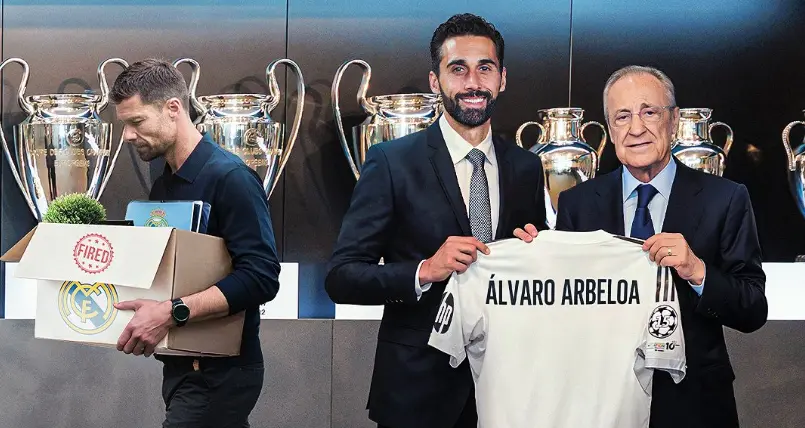
Xabi Alonso’s departure from Real Madrid is a cautionary tale of how a combination of tactical shortcomings, transfer market missteps, and dressing room unrest can derail even the most promising managerial tenures. While the 2-3 Supercopa loss to Barcelona may have been the final trigger, the roots of his downfall stretch back to the early stages of the season—from the disastrous defeat to Atlético Madrid, to the failure to implement a consistent high-pressing identity, the midfield’s creative void, and the growing rifts within the squad. For Real Madrid, the appointment of Álvaro Arbeloa represents a gamble on a club legend who knows the Bernabéu’s culture inside out. Whether he can mend the fractured dressing room, fix the midfield’s flaws, and reignite the team’s winning mentality remains to be seen. One thing is certain, though: in the unforgiving world of Real Madrid football, the pressure to deliver trophies will be on Arbeloa from the very first whistle.